PRP Treatment for Hair Loss: Does It Really Work?
If you have started noticing thinning hair, a widening parting, or reduced hair volume, you have likely come across PRP as a possible solution. Platelet-Rich Plasma (PRP) therapy has gained significant popularity in recent years as a non-surgical treatment for hair loss, promising thicker, healthier hair using nothing but your own blood.
But does PRP actually work, or is it simply a trend backed by marketing rather than results? In this guide, we break down how PRP therapy works, who it is suitable for, and what kind of results you can realistically expect.
What Is PRP Treatment?
PRP, or Platelet-Rich Plasma therapy, is a non-surgical hair restoration treatment that uses your own blood to stimulate hair follicles and promote hair growth.
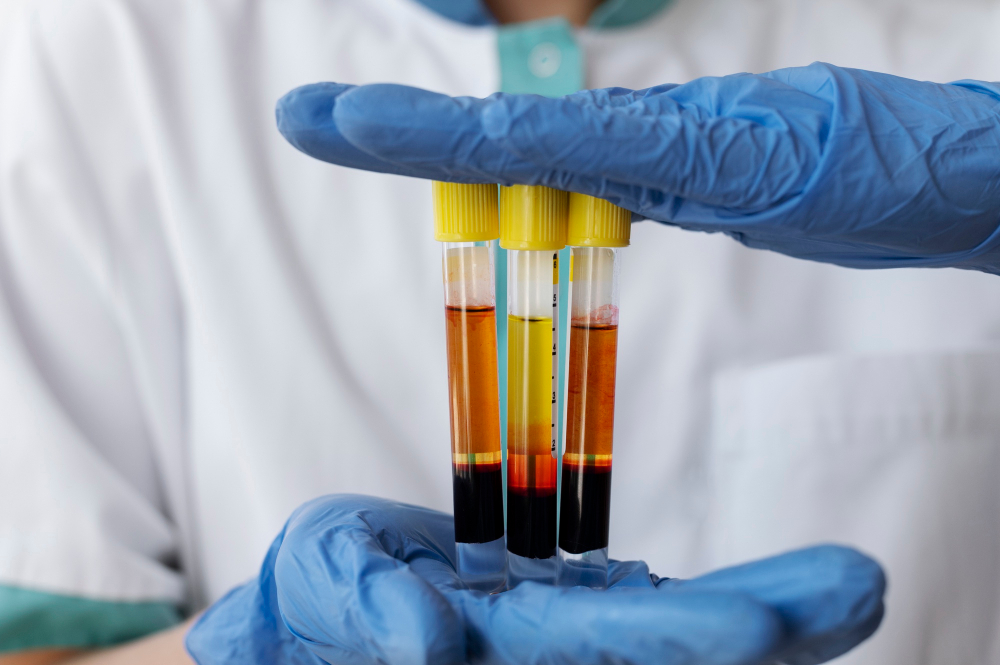
The process involves drawing a small amount of blood, processing it in a centrifuge to separate the platelet-rich plasma from other blood components, and then injecting this concentrated plasma into the scalp. Platelets are rich in growth factors that are believed to stimulate dormant hair follicles and improve blood supply to the scalp.
Because PRP uses the patient's own blood, the risk of allergic reaction or rejection is minimal, making it a relatively safe option for many people experiencing hair thinning.
How Does PRP Help With Hair Loss?
PRP therapy works by targeting the biological processes involved in hair growth. The growth factors present in platelets are thought to:
- Stimulate inactive or dormant hair follicles
- Improve blood circulation to the scalp
- Extend the growth phase of the hair cycle
- Strengthen existing hair strands
- Reduce hair shedding over time
While PRP does not create new hair follicles, it can help improve the health and thickness of existing follicles that are still active but weakened.
Who Is a Good Candidate for PRP Therapy?
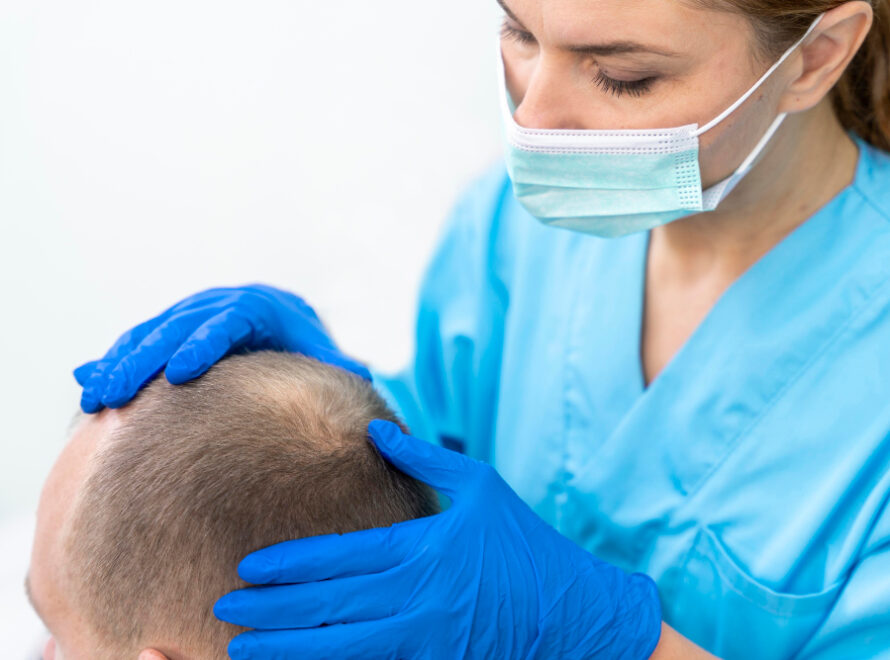
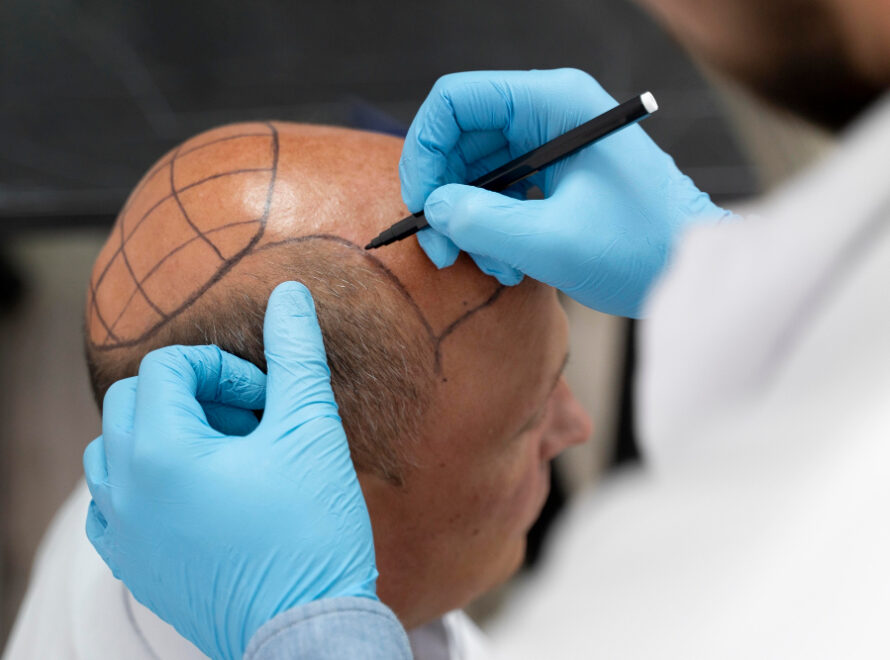
PRP is most effective for individuals in the early to moderate stages of hair loss. A detailed scalp assessment helps determine whether PRP alone will be sufficient or whether it should be combined with other treatments.
You may be a suitable candidate if you:
- Are experiencing early-stage thinning or reduced hair density
- Have some active hair follicles remaining in the affected area
- Want a non-surgical option before considering a transplant
- Wish to strengthen results after a hair transplant procedure
- Are in good general health with no underlying blood disorders
PRP is generally not effective for individuals with completely bald areas or long-term, advanced hair loss where follicles are no longer active.
The PRP Procedure: What to Expect
PRP therapy is performed in-clinic and typically does not require significant downtime. The procedure generally follows these steps:
- A small blood sample is drawn from the arm
- The blood is processed in a centrifuge to separate the platelet-rich plasma
- The scalp is cleansed and prepared
- The concentrated plasma is injected into targeted areas of the scalp
- Post-procedure care instructions are provided
The entire session usually takes around 60 to 90 minutes, and most patients can resume normal activities the same day.
Is PRP Painful?
Most patients experience only mild discomfort during the injections, often compared to a series of small pin pricks. A topical numbing cream may be applied beforehand to improve comfort during the procedure.
Some mild redness, tenderness, or minor swelling at the injection sites is common but typically subsides within a day or two.
How Many Sessions Are Needed?
PRP therapy is not a one-time treatment. For visible and lasting results, a series of sessions is usually recommended, followed by periodic maintenance treatments.
A typical treatment plan may include:
- Initial phase: One session every 4 to 6 weeks for 3 to 4 sessions
- Maintenance phase: One session every 4 to 6 months thereafter
Your specialist will tailor the frequency based on your hair loss pattern, scalp condition, and response to initial treatments.
When Will You See Results?
PRP results develop gradually, as the treatment works by improving the health of existing follicles rather than producing immediate change.
Typical timeline:
- First 4 to 6 weeks: Reduced hair shedding may be noticed
- 2 to 3 months: Early signs of improved hair thickness
- 4 to 6 months: Noticeable improvement in density and strength
- 6 months onward: More consistent, visible results with continued sessions
Consistency is key with PRP. Skipping sessions or stopping early can reduce the effectiveness of the treatment.
PRP vs Hair Transplant: Which One Do You Need?
PRP and hair transplant serve different purposes and are often most effective when used together as part of a comprehensive treatment plan.
PRP is generally recommended for:
- Early-stage hair thinning
- Slowing down further hair loss
- Improving the health of existing follicles
- Supporting recovery and growth after a hair transplant
A hair transplant is generally recommended for:
- Advanced hair loss or bald patches
- Areas with little to no active hair follicles
- Patients seeking a permanent, surgical solution
A qualified specialist can help determine whether PRP alone, a hair transplant alone, or a combination of both is best suited to your specific hair loss pattern.
Benefits of PRP Therapy
- Non-surgical and minimally invasive
- Uses your own blood, reducing risk of allergic reaction
- Minimal downtime
- Can be combined with other hair restoration treatments
- Helps improve hair thickness and reduce shedding
- Supports post-transplant healing and growth
Why Choose an Experienced Clinic for PRP Treatment?
The effectiveness of PRP therapy depends heavily on how the procedure is performed, including the quality of plasma preparation and precision of injections.
When choosing a clinic for PRP treatment, consider:
- Experience of the medical team administering the procedure
- Quality of equipment used for plasma preparation
- Personalized treatment planning based on your hair loss stage
- Hygiene and safety protocols
- Transparent communication about realistic expectations
Choosing an experienced clinic ensures the procedure is performed correctly, maximizing the chances of visible and lasting improvement.
Conclusion
PRP therapy can be an effective solution for individuals in the early stages of hair loss, offering a non-surgical way to strengthen existing hair and slow further thinning. While it is not a permanent cure or a replacement for a hair transplant in cases of advanced hair loss, it plays a valuable role as a standalone treatment or as part of a broader hair restoration plan.
At Dr. Pai's Skin & Hair Clinic, every PRP treatment plan begins with a thorough scalp evaluation to determine the most effective approach for your specific hair loss pattern. With the right treatment plan and consistent care, PRP can help you take a meaningful step toward healthier, fuller-looking hair.